
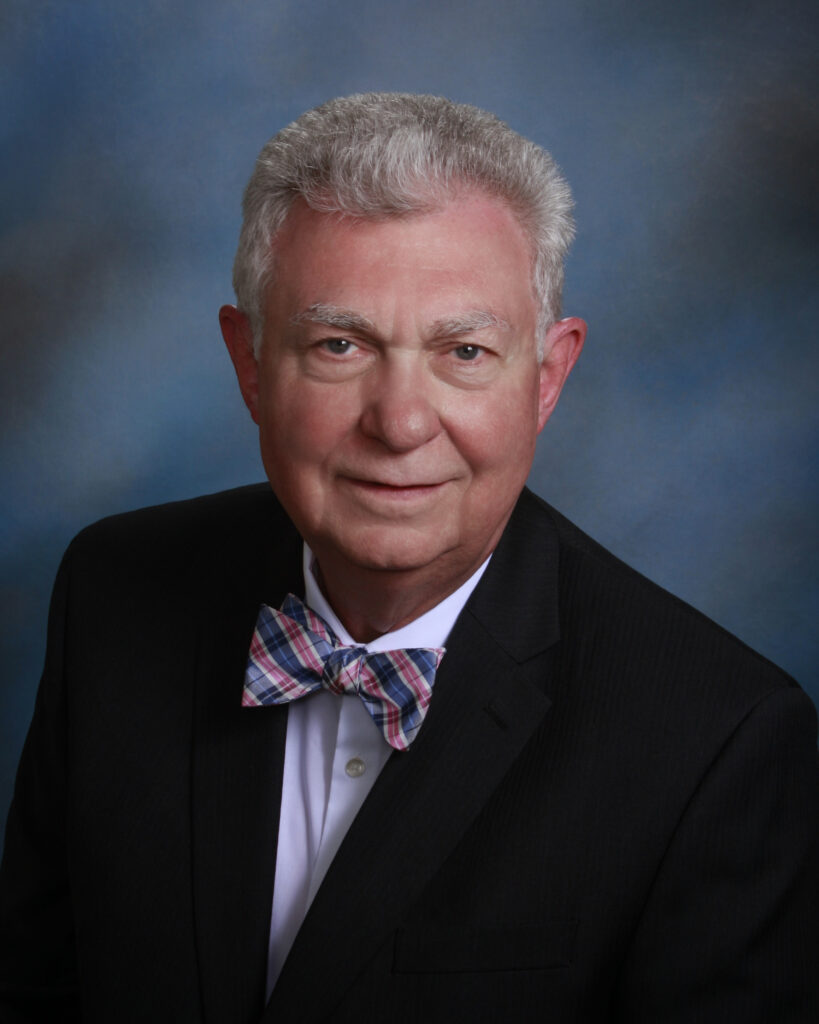
- Dr. Fredrick McCurdy, Expert Witness
Clinical experience. Independent judgment. Straightforward communication.
- Pediatrics • Pediatric Nephrology • Medical Education • Healthcare Leadership • Child Advocacy
Fredrick A. McCurdy, MD, PhD, MBA
CPE, FAAP, FACPE • Board-certified in Pediatrics and Pediatric Nephrology • Retired USAF Colonel
- Three Dimensions of His Work
One career, expressed through three connected roles.
01
Pediatric Nephrologist & Medical Educator
His clinical work centers on pediatrics and pediatric kidney disease. Alongside patient care, he has taught medical students and residents, developed faculty and held academic leadership roles as an academic pediatric expert witness, preparing physicians to think carefully and practice responsibly
02
Medical Expert Witness & Healthcare Leader
His work as a pediatric nephrology expert witness draws on clinical care, medical administration, managed care and organizational leadershi
03
Advocate for Children with Complex Medical Needs
His work with children extends beyond the clinic through healthcare access, Medicaid leadership and long-term service with the Children’s Association for Maximum Potential, which he helped establish with two other physicians.
- Professional Journey
A Lifetime Of Leadership In Pediatric Medicine.
The consistent thread is public service: caring for children, educating physicians and improving the systems that support both.
Dr. McCurdy’s professional background combines direct clinical judgment with the wider perspective of an educator, administrator and military physician.
After completing pediatric training within the military and a fellowship in pediatric nephrology, he practiced and taught in military and academic medical settings, now informing his work as a retired military physician expert witness. His active military service ran in parallel with his residency, subspecialty training and the early decades of his academic career.
Clinical medicine
Pediatrics and pediatric nephrology
Education & leadership
Teaching, curriculum and healthcare administration
Public service
Military medicine and advocacy for children
- Credentials & Selected Recognition
Experience Backed By Distinguished Credentials.
Education & Clinical Training
MD, with Distinction
University of Nebraska Medical Center
1976
PhD, Interdisciplinary Medical Science, with Distinction
University of Nebraska Medical Center
1976
Pediatrics Internship & Residency
Wilford Hall USAF Medical Center
1976–1979
Fellowship, Pediatric Nephrology
University of Minnesota Health Sciences Center
1979–1981
MBA
University of Nebraska at Omaha
2001
Certification & Recognition
MBA
University of Nebraska at Omaha, 2001
1980
Board-Certified Pediatric Nephrology
American Board of Pediatrics, 1982
1982
Alpha Omega Alpha
Medical honor society
2003
FAAP & FACPE
Professional fellowships
Service
Alpha Omega Alpha & Sigma Xi
Medical and scientific honor societies
Honor
FAAP & FACPE
Selected professional fellowships
Fellow
Review the medico-legal CV
- Professional Approach
Facts first. Nuance matters.
Medicine is rarely a simple yes-or-no proposition. The responsibility is to gather the facts, explain the shades of grey and provide an independent opinion—even when the conclusion is not the one a party hoped to hear.
- 01
Independent analysis
Opinions are based on the medical record, relevant standards and supporting literature—not on the desired outcome.
- 02
Clear communication
Complex medical issues are organized and explained in direct language that attorneys and decision-makers can use.
- 03
Appropriate uncertainty
Where the evidence is incomplete or medicine permits more than one reasonable interpretation, those limitations are stated plainly.